Tag: Auto Draft

  • SASSA SRD Grant December 2024, Festive Season Early Payment Dates Revealed

    SASSA SRD Grant December 2024, Festive Season Early Payment Dates Revealed

    SASSA SRD Grant December 2024: The Social Relief of Distress (SRD) grant is a vital source of financial aid for approximately nine million South Africans each month. At a value of R370 per month, this grant is the main or sole income for many individuals, covering basic needs like food, utilities, and other essentials. Beyond the SRD grant, other monthly government grants are also available, including those for the elderly, persons with disabilities, and children.

    SASSA Black Card 2025: Transition, Benefits, and Key Dates

    As we approach the end of 2024, SASSA has introduced changes to the SRD grant payment schedule to ensure timely access to funds before the busy festive season. The SRD grants for December will be disbursed earlier than usual, between 17 December and 23 December, to help recipients meet the financial demands of the holidays. These payments will mark the final disbursements of the 2024 financial year.

    To avoid confusion and ensure smooth payments, beneficiaries are strongly encouraged to visit SASSA’s official website to check their payment status. This will allow them to confirm the exact date their grant will be deposited and make necessary arrangements.

    SASSA Grant Payment Schedule for December 2024

    To accommodate public holidays and ensure beneficiaries receive their payments before Christmas, SASSA has adjusted the December 2024 grant schedule. The early payments are crucial for individuals relying on their grants to get through the festive season. Here’s a breakdown of the key dates:

    • Older Persons Grants: 3 December
      R2,190 for those aged 60+ and R2,210 for those 75+
    • Disability Grants: 4 December
      R2,190
    • Children’s Grants: 5 December
      Care Dependency: R2,190
      Foster Care: R1,180
      Child Support: R530
    • SRD Grant (R370): 17 – 23 December
      Disbursed early to accommodate the festive season

    Beneficiaries are advised to check the official website to confirm their specific payment dates and avoid any confusion.

    Will There Be an Increase in SASSA SRD Grants in 2025?

    As we move into 2025, many SRD grant recipients are hopeful that the government will consider an increase in grant amounts. Although no official announcements have been made, based on the finance minister’s Mid-Term Budget Statement, there are speculations of possible increases starting in April 2025.

    Here’s an overview of the current and projected grant amounts for 2025:

    Grant TypeCurrent AmountProjected Increase (April 2025)Additional Increase (October 2025)
    Older Persons & Disability GrantsR2,190R2,290R2,300
    Child Support GrantR530R560No additional increase
    Foster Care GrantR1,180R1,800No additional increase

    These anticipated increases are designed to help grants keep pace with inflation and the rising cost of living, providing additional support to those who rely on them. Beneficiaries should stay informed about any official updates regarding these changes.

    Festive Season Financial Challenges

    The festive season is a time for celebration and family gatherings, but for those dependent on grants, it often presents financial challenges. With the rising cost of living and a strained economy, many households struggle to cover both their basic needs and the extra expenses that come with the holidays.

    SASSA’s early grant payments in December are aimed at providing relief, but beneficiaries still need to manage their finances carefully to get through the season. Budgeting, prioritizing essential expenses, and making every rand count are essential during this time, as no additional bonuses are being provided for the holidays.

    How to Check Your SASSA Grant Payment Status

    To ensure there are no delays or issues with your payment, it’s crucial to regularly check your payment status through SASSA’s official channels. This process is simple and can be completed in a few steps:

    1. Visit the official SASSA website: https://srd.sassa.gov.za
    2. Enter your ID number and registered mobile phone number.
    3. View your payment status to confirm eligibility and the scheduled payment date.

    It’s important to ensure that all your personal details are up-to-date to avoid complications when receiving your payment.

    By following these steps and staying informed, beneficiaries can navigate the festive season with more financial certainty and less stress.

  • Who Qualifies for the ₱1,000 Senior Citizen Pension in the Philippines?

    Who Qualifies for the ₱1,000 Senior Citizen Pension in the Philippines?

    ₱1,000 Senior Citizen Pension: During Elderly Filipino Week on October 7, a misleading Facebook post spread false information regarding a ₱1,000 monthly pension for all senior citizens in the Philippines. The post claimed that every elderly person, regardless of other pensions they receive from the Government Service Insurance System (GSIS) or the Social Security System (SSS), was entitled to ₱1,000 per month or ₱3,000 every three months from the National Commission of Senior Citizens (NCSC). This claim led to confusion and concern among senior citizens and their families.

    In reality, the ₱1,000 pension is only available to indigent senior citizens who meet specific criteria set by the Department of Social Welfare and Development (DSWD). It is vital for seniors and their families to confirm such claims through official government channels to avoid misunderstandings and ensure the correct distribution of assistance.

    What is the Social Pension for Indigent Senior Citizens (SPISC) Program?

    The SPISC Program is designed to improve the quality of life for indigent senior citizens by providing them with a monthly stipend to help cover essential needs, such as food and medical expenses. The program aims to reduce vulnerability, prevent neglect or abuse, and support elderly individuals in difficult situations.

    Guided by Republic Act No. 11916, which was enacted in July 2022, the program increased the monthly stipend for senior citizens from ₱500 to ₱1,000, recognizing the growing financial challenges faced by the elderly population.

    Who is Eligible for the ₱1,000 Monthly Pension?

    To qualify for the ₱1,000 monthly pension under the SPISC Program, seniors must meet the following conditions:

    • Age: The individual must be 60 years old or older.
    • Health Condition: The senior citizen should be frail or suffering from health issues.
    • No Other Pensions: They must not be receiving any pensions from other government agencies, including GSIS, PVAO, SSS, or private insurance companies.
    • No Regular Income: The applicant should not have any consistent source of income or support from family members.

    These criteria ensure that the pension benefits are directed to those in most need. The DSWD provides a ₱1,000 stipend monthly, bi-monthly, or quarterly, depending on the local government’s distribution schedule.

    Social Pension vs. Universal Pension Bill

    It is important to distinguish between the current Social Pension program and the proposed Universal Social Pension Bill.

    ProgramPension AmountEligibilityStatus
    Social Pension (SocPen)₱1,000 per monthIndigent senior citizens onlyActive
    House Bill No. 10423 (Universal Pension)₱500 per month (increase to ₱1,000 planned)All senior citizens aged 60+Approved by the House, pending in the Senate

    Social Pension (SocPen)

    The Social Pension is an active program providing ₱1,000 per month to indigent senior citizens who meet specific criteria.

    House Bill No. 10423 (Universal Pension)

    The Universal Pension Bill proposes a ₱500 monthly pension for all senior citizens aged 60 and above, with plans to increase it to ₱1,000 within five years. The bill has been approved by the House of Representatives and is currently under review by the Senate.

    How to Apply for the Social Pension?

    Applying for the ₱1,000 monthly pension involves the following steps:

    • Eligibility Verification: Confirm that the senior citizen meets the necessary criteria (frailty, lack of income, etc.).
    • Visit the OSCA: The local Office of the Senior Citizens Affairs (OSCA) is the primary point of contact. They will guide you through the application process and inform you of the required documents.
    • Document Submission: Prepare and submit the necessary documents, which typically include:
      • Proof of age (e.g., birth certificate)
      • Barangay certification
      • Medical records (if applicable)
    • Evaluation: After submission, the DSWD will evaluate the application. If the senior citizen qualifies, they will be notified about the approval and the amount of their pension.

    By following these steps, eligible senior citizens can ensure they receive the support they need to improve their quality of life.

  • SASSA Festival Relief 2024, Early Payouts and Digital Innovations

    SASSA Festival Relief 2024, Early Payouts and Digital Innovations

    SASSA Festival Relief 2024: The South African Social Security Agency (SASSA) has launched a variety of relief initiatives for the 2024 holiday season to support beneficiaries during financially challenging times. With increased expenses typically associated with the holidays, SASSA has taken proactive steps to alleviate some of the burden. Key features of the relief package include early payments of the Social Relief of Distress (SRD) grant, increased grant amounts, and the introduction of a new digital payment system developed in partnership with EasyPay Everywhere.

    These initiatives reflect SASSA’s commitment to delivering quicker and more reliable financial assistance to those in need. By providing early access to funds and leveraging modern payment technologies, SASSA aims to make it easier for beneficiaries to manage their finances during the festive season.

    Early SRD Grant Payouts Scheduled for December 2024

    To help beneficiaries meet additional holiday expenses, SASSA has announced early payouts of the SRD grants. Traditionally paid on a set schedule, the SRD grants will be disbursed earlier this year, between December 17 and December 23, 2024. This adjustment ensures that recipients can access their funds well in advance of the Christmas period. Beneficiaries are encouraged to check their payment details via official SASSA channels, including their website (sassa.gov.za), for the exact date of their payment.

    Grant Payment Schedule for December and January

    SASSA has provided a clear payment schedule for both December 2024 and January 2025 to ensure timely and organized distribution of all social grants. This schedule has been designed to prevent delays and reduce overcrowding at collection points:

    • Older Persons: December 3, 2024; January 3, 2025
    • Disability Grants: December 4, 2024; January 6, 2025
    • Children’s Grants: December 5, 2024; January 7, 2025

    The Increased Amount for 2024

    In response to the rising cost of living, SASSA has increased the value of several social grants for 2024. These adjustments aim to provide beneficiaries with additional financial support, especially during the higher-than-usual holiday expenses. Below are the updated amounts for various grants:

    • Older Persons (Under 75): R2,190
    • Older Persons (75+): R2,210
    • Disability Grant: R2,190
    • Child Support Grant: R530
    • Child Support Grant Top-Up: R780 (R530 + R250)
    • Foster Care Grant: R1,180
    • Care Dependency Grant: R2,190
    • War Veterans Grant: R2,210
    • Social Relief of Distress: R370

    New Digital Payment System in Partnership with EasyPay Everywhere

    SASSA has partnered with EasyPay Everywhere to launch a new digital payment system designed to improve how beneficiaries receive and manage their grants. This modern payment solution aims to simplify access to funds while ensuring safety and convenience.

    Key Features of the EasyPay Digital Payment System

    The new EasyPay Everywhere digital payment system offers several useful features that make managing finances easier for beneficiaries:

    • EasyPay Everywhere Card: Beneficiaries will receive a card that works like a debit card, allowing them to withdraw funds, pay for goods and services, and shop at various stores.
    • Affordable ATM Withdrawals: With a low flat fee of R10 per transaction, beneficiaries can access their funds at any ATM across South Africa.
    • Free Retail Purchases: At partner retail stores, beneficiaries can use their EasyPay Everywhere card to purchase goods without incurring any extra charges.
    • Quick Utility Payments: Beneficiaries can conveniently pay for services like airtime, electricity, and water by dialing a short USSD code (1203737#) on their mobile phones.
    • Online Account Management: Through the EasyPay platform, beneficiaries can track their balances, view transaction history, and manage their funds easily. Additional financial services like loans and insurance are also available.
    • Nationwide Accessibility: With over 230 branches across South Africa, beneficiaries in both urban and rural areas can easily access assistance. Mobile agents are also available to provide support.

    How to Check Payment Status and Seek Support

    Beneficiaries can confirm payment details or get help by using any of the following official SASSA resources:

    These contact points provide the necessary support for beneficiaries to verify payment dates, resolve any issues, and stay updated on the status of their grants.

  • Maximum SSS Pension Amount in 2025, Tips to Maximize Your Contributions

    Maximum SSS Pension Amount in 2025, Tips to Maximize Your Contributions

    Maximum SSS Pension Amount in 2025: The Social Security System (SSS) is a vital government initiative in the Philippines, providing financial support to workers during retirement or times of need. The program ensures that those who contribute during their working years have a steady source of income once they stop working, offering two main benefit options: a monthly pension or a lump-sum payment.

    Monthly Pension and Lump Sum Benefits

    For retirees, the SSS offers two primary types of benefits:

    • Monthly Pension: This is a lifetime monthly payment given to retirees who have contributed at least 120 months to the system. It ensures continuous financial support for long-term contributors.
    • Lump Sum Benefit: For those with fewer than 120 contributions, this one-time payment includes the total amount of contributions made, plus any earned interest, allowing members to receive a return on their investment.

    These options ensure that retirees, regardless of their contribution history, can access financial assistance when needed.

    Eligibility for SSS Pension in 2025

    To qualify for the SSS pension, several conditions must be met:

    • Age and Employment Status: Members can begin claiming their pension at 60 years old, provided they stop working. Members aged 65 and older are eligible regardless of employment status.
    • Contribution Requirement: A minimum of 120 monthly contributions is needed for a lifetime pension. If this is not met, a lump-sum benefit is provided.

    Special Eligibility Cases

    Certain professions allow for earlier retirement, such as:

    • Underground Mineworkers: Eligible at 55 years old.
    • Surface Mineworkers: Eligible at 50 years old.
    • Racehorse Jockeys: Eligible at 55 years old.

    Additionally, retirees aged 60 to 64 must stop working temporarily to begin receiving their pension, while those aged 65 and older can continue working without affecting their benefits. Members who don’t meet the 120 contributions requirement can choose to continue contributing voluntarily to qualify for a monthly pension.

    Maximum SSS Pension Amount in 2025

    The pension amount for 2025 is determined by two factors: Credited Years of Service (CYS) and the Average Monthly Salary Credit (AMSC). The pension formula rewards consistent contributors and those with higher salary credits.

    • For 10 to 20 years of service: The pension starts at ₱1,200.
    • For more than 20 years of service: A pension of ₱2,400 plus an additional ₱1,000 benefit.
    • For more than 10 years: 20% of AMSC plus ₱300, with additional increments for each year of service beyond 10.

    Key Updates in 2025

    Significant updates are being implemented to enhance the SSS pension program in 2025:

    • Contribution Rate Increase: The contribution rate will rise by 1% annually, reaching 15% of the AMSC in 2025.
    • Pension Increase: A 14.5% to 15% increase in pension payments to keep pace with inflation and ensure retirees maintain purchasing power.
    • No Impact on Pension Payments for Workers Aged 65 and Above: Those aged 65 and older can continue working without it affecting their pension.

    Contribution Rates for 2025

    In 2025, the SSS contribution rate will be set at 14% of the AMSC. The contributions are split between the employer and the employee as follows:

    • Employer’s Share: 9.5% of the AMSC.
    • Employee’s Share: 4.5% of the AMSC.

    For self-employed or voluntary members, the full 14% is their responsibility, as they do not have an employer to share the cost.

    Sample Contribution Table

    Here’s a look at the contribution rates for various salary ranges:

    • For monthly salaries between ₱4,250 to ₱4,749: The total contribution is ₱595, with the employer paying ₱404 and the employee contributing ₱191.
    • For monthly salaries between ₱10,000 to ₱10,499: The total contribution is ₱1,400, with the employer contributing ₱950 and the employee ₱450.
    • For monthly salaries between ₱29,750 (maximum MSC): The total contribution is ₱4,165, with the employer covering ₱2,831 and the employee contributing ₱1,334.

    How to Calculate Your SSS Pension

    The SSS pension calculation relies on three key factors:

    1. Length of Service: The number of years a member has contributed.
    2. Contribution Amount: The Average Monthly Salary Credit (AMSC) during the member’s working years.
    3. Pension Formula: The system applies specific formulas to compute the pension.

    SSS Pension Formulas

    The SSS uses the following formulas:

    • For 10 to 20 years of service: ₱1,200 (fixed).
    • For over 20 years of service: ₱2,400 plus an additional ₱1,000.
    • For more than 10 years of service: 20% of AMSC plus ₱300, with an additional 2% of AMSC for each additional year.

    Example: Calculating Your SSS Pension

    Let’s calculate the monthly pension for a member with 25 years of service and an AMSC of ₱15,000:

    • For the first 10 years: 20% of ₱15,000 = ₱3,000, plus ₱300 = ₱3,300.
    • For the additional 15 years: 2% of ₱15,000 for each year = ₱300 annually. Over 15 years, this totals ₱4,500.
    • Total Monthly Pension: ₱3,300 (first 10 years) + ₱4,500 (additional years) = ₱7,800.

    Thus, the member’s monthly pension would be ₱7,800.

  • Chinese New Year 2025, Banknote Reservation and Collection Guide

    Chinese New Year 2025, Banknote Reservation and Collection Guide

    Chinese New Year 2025: The tradition of giving new notes during Chinese New Year (CNY) is deeply rooted in Singapore’s cultural practices. To ensure that this tradition continues smoothly, banks such as DBS, OCBC, and My Bank have introduced measures to make the process more efficient, convenient, and secure. These include online reservations, improved ATM services, and digital gifting options.

    Enhancements in Banking Services for CNY 2025

    For CNY 2025, DBS has enhanced its services by increasing the number of ATMs and reservation slots. In addition to physical notes, digital gifting options like DBS’s QR Gift and OCBC’s eAng Bao are gaining traction as modern, eco-friendly alternatives to the traditional red packet.

    What Are Fit Notes?

    Fit notes are well-maintained currency notes that are reused for gifting during Chinese New Year. These notes, although used, are thoroughly checked and remain in excellent condition, making them a sustainable choice for those looking to honor tradition in an environmentally friendly way. Banks encourage the use of fit notes to promote sustainability by reducing the need for printing new money.

    Eligibility for Walk-In Exchanges

    For those who cannot use the online reservation system, walk-in exchanges provide an accessible alternative. Senior citizens and persons with disabilities are given priority at these exchanges, ensuring everyone can participate in the tradition of giving fresh notes. Walk-in exchanges are available at select branches and depend on the availability of fresh notes.

    Collection Schedule for New Notes

    Banks have set clear collection schedules for new notes to ensure a smooth experience for customers:

    • DBS/POSB: Reservations can be made from January 7 to 20, 2025, with collection available from January 14 to 27, 2025.
    • OCBC and My Bank: Similar collection periods apply, from January 14 to 27, 2025, with reservations beginning on January 7, 2025.

    Digital Gifting Options for Chinese New Year

    Digital gifting has become an increasingly popular method of sharing festive joy. Offering a convenient, secure, and eco-friendly alternative to traditional red packets, digital gifting solutions like DBS’s QR Gift, OCBC’s eAng Bao, and My Bank’s app features make it easy for customers to send their blessings.

    New Notes Reservation Services at Banks

    DBS/POSB Online Reservation System

    DBS/POSB offers an online platform for reserving new notes, with various denominations available for selection. Customers can also choose a convenient collection branch for easy pickup. For 2025, DBS has increased the number of available slots to meet demand.

    OCBC and My Bank Reservation Systems

    OCBC and My Bank also provide online reservation systems, focusing on ease of access. Customers can reserve new notes by using their respective apps or websites, with priority given to those who book early. These systems allow for flexible options, including the selection of denominations and quantities.

    Benefits of Using Fit Notes

    Fit notes offer a range of benefits, especially during Chinese New Year celebrations:

    • High Quality: Fit notes are carefully inspected to ensure they remain in near-new condition.
    • Eco-Friendly: By reusing these notes, banks help reduce the carbon footprint associated with printing new currency.
    • Sustainability: This approach promotes greener practices during the festive season, supporting environmental conservation efforts.

    ATM and Walk-In Services for Fresh Notes

    DBS/POSB ATMs and Touchpoints

    DBS offers extensive ATM coverage, with 61 machines available across 41 locations. These ATMs operate daily, with extended hours during the festive period. Customers can withdraw up to three times per day.

    OCBC ATMs and Branch Services

    OCBC provides designated ATMs and priority services for elderly or disabled customers. Branch staff are also available to assist with reservations and note withdrawals to ensure a seamless experience.

    My Bank Services

    My Bank offers ATMs located in key areas for easy access and encourages the use of digital gifting options for a modern, eco-friendly approach to festive giving. The bank also provides a dedicated helpline for customer support.

    Conclusion: Embracing Tradition and Innovation

    Banks such as DBS, OCBC, and My Bank are offering modern solutions to make Chinese New Year celebrations in 2025 both convenient and environmentally responsible. With options like online reservations, ATM withdrawals, fit notes, and digital gifting, customers can participate in the holiday’s traditions while promoting sustainability and ease. This year, celebrate the festive season by blending tradition with innovation for a joyful and eco-conscious celebration.

  • Singapore Food Safety Bill 2025, Paving the Way for Novel Proteins

    Singapore Food Safety Bill 2025, Paving the Way for Novel Proteins

    Singapore Food Safety Bill 2025: The Food Safety and Security Bill (FSSB) 2024 is a critical update in enhancing food safety regulations in Singapore. Introduced on November 12, 2024, this comprehensive legislation consolidates and revises previous food-related laws, providing a unified framework to address food safety, security, and sustainability. It replaces older legislation such as the Sale of Food Act 1973 and the Wholesome Meat and Fish Act 1999, establishing clearer rules for food production, importation, and distribution.

    Key Focus Areas of the Bill

    The FSSB targets several key areas, including food traceability, primary production, and the management of novel foods such as lab-grown meat. Lab-grown meat, which Singapore legalized for commercial sale in 2020, is now classified as “defined food” under this bill. This ensures that these innovative products undergo rigorous safety evaluations, obtain pre-market approvals, and are properly labeled before reaching the consumer.

    Strengthening Food Security

    Another significant aspect of the FSSB is its focus on food security. The bill introduces minimum stockholding requirements (MSR) for essential food products, safeguarding Singapore from supply chain disruptions. The bill also tightens regulations around the import of controlled food items, ensuring that non-compliant shipments and unlicensed imports are blocked to maintain high standards of food safety.

    Why is the Food Safety and Security Bill Crucial?

    The FSSB was created in response to the challenges Singapore faces in maintaining a stable and safe food supply. Given that the country relies on imports for nearly 90% of its food, it is particularly vulnerable to global supply chain disruptions.

    Events like the COVID-19 pandemic have exposed weaknesses in the system, as border closures and lockdowns caused major food shortages. Extreme weather events, political conflicts, and disease outbreaks have compounded the situation. Previous laws were insufficient to address these evolving challenges, especially with the rise of novel foods like lab-grown meat. The FSSB modernizes these laws, providing a framework that addresses both current and future food safety and security needs.

    Defining Lab-Grown Meat and Novel Foods

    A key feature of the FSSB is the introduction of a category called “defined foods,” which includes lab-grown meat, precision-fermented products, and insect-based foods. These novel foods are defined as products created through innovative technologies like cellular agriculture and tissue culture. If they have not been widely consumed globally in the last 20 years, they fall under this category, ensuring that Singapore’s regulatory approach remains in line with international standards while fostering innovation.

    Pre-Market Approval and Safety Reviews

    Before novel food products can be sold, they must undergo a rigorous pre-market approval process. This includes evaluations of the product’s safety, composition, and production methods, along with a review of the materials used. Companies are also required to assess allergenicity and toxicity risks, as well as analyze potential dietary exposure.

    In addition, technologies such as blockchain and digital tracking will be used to monitor the journey of lab-grown meat from production to sale. This will ensure transparency, boost consumer confidence, and allow for efficient recall processes when necessary. All lab-grown meat products must have clear labels specifying their origin, ingredients, and production methods, empowering consumers to make informed choices.

    Implementation Timeline of the FSSB

    The implementation of the FSSB will be gradual, allowing businesses ample time to adapt to the new requirements. The framework for defined foods is expected to be rolled out by late 2025, with full implementation scheduled for 2028. During this period, the Singapore Food Agency (SFA) will offer resources such as virtual clinics and updated guidelines to help companies navigate the regulatory landscape.

    Retail Entry of Lab-Grown Meat in Singapore

    Singapore has positioned itself as a global leader in the novel food sector with its proactive approach to regulating and approving lab-grown meat. Some significant milestones include:

    • 2019: The SFA established a regulatory framework for novel foods.
    • 2020: Singapore became the first country to approve cultivated chicken by Eat Just’s Good Meat brand.
    • 2023: Vow Food received approval for cultivated quail and foie gras, expanding the variety of novel proteins.
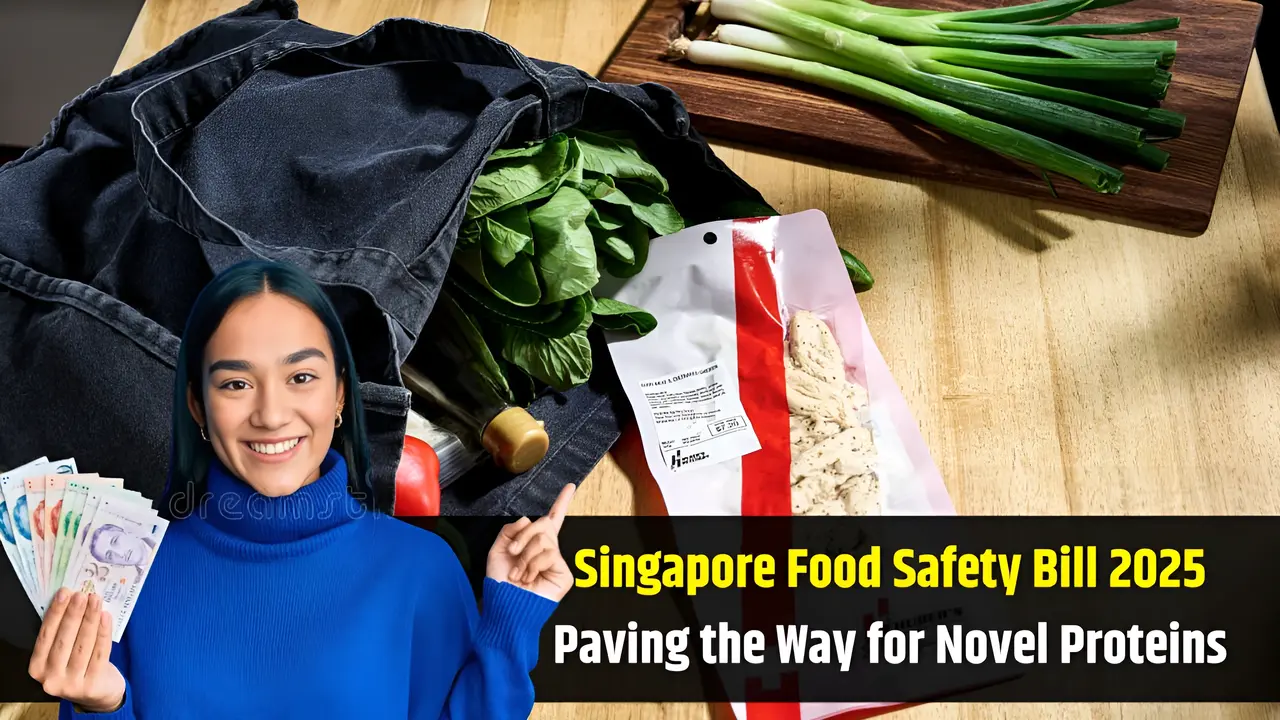
    • 2024: Cultivated chicken was launched for retail sale at Huber’s Butchery.

    Conclusion

    The FSSB 2024 represents a pivotal step in enhancing Singapore’s food resilience while promoting innovation in the agrifood sector. By establishing a clear and comprehensive regulatory framework, the bill aims to address contemporary challenges and prepare for a sustainable and secure food future. Singapore’s forward-thinking approach is setting the global standard for food safety, security, and sustainability, positioning the country as a leader in managing the future of food.