Blog

  • DWP £434 Monthly Payments for Health Issues, Latest Attendance Allowance Updates

    DWP £434 Monthly Payments for Health Issues, Latest Attendance Allowance Updates

    The Attendance Allowance is a financial benefit provided by the UK’s Department for Work and Pensions (DWP) to assist individuals of State Pension age who struggle with daily activities due to physical or mental health conditions. This allowance aims to alleviate the financial strain associated with managing health challenges, enabling recipients to maintain independence and improve their quality of life.

    Unlike many other benefits, Attendance Allowance is not means-tested. This ensures that income and savings do not impact eligibility, making the allowance accessible to a broad range of individuals who need extra support.

    What Is the DWP Attendance Allowance Payment?

    Attendance Allowance is designed to provide financial support to people who require assistance with personal care due to a physical or mental disability. The benefit is not based on income or savings and is divided into two rates depending on the level of care required:

    • Lower Rate: £72.65 per week for individuals needing help during the day or at night.
    • Higher Rate: £108.55 per week for those requiring assistance both during the day and night or who are terminally ill.

    These payments help recipients cover additional costs, such as hiring assistance, paying for transportation, or managing household expenses.

    Conditions Commonly Covered by Attendance Allowance

    Attendance Allowance supports individuals with a wide range of health conditions that affect their ability to perform daily tasks. Arthritis is one of the most common conditions among claimants, with over 461,000 pensioners across the UK receiving the benefit for this reason. Chronic back pain is another leading cause, significantly impacting daily activities such as bathing, dressing, and mobility.

    Breakdown of Back Pain Claimants by Region

    • England: 60,368
    • Scotland: 5,912
    • Wales: 4,489
    • Living Abroad: 254
    • Total for Great Britain: 71,020

    These statistics highlight the widespread need for financial assistance among those managing long-term health conditions.

    Eligibility and Application Process

    To qualify for Attendance Allowance, individuals must meet the following criteria:

    • Be of State Pension age.
    • Require assistance with personal care tasks such as dressing, eating, or personal hygiene due to a physical or mental disability.

    It’s important to note that having a carer is not a requirement to claim this benefit.

    The application process involves completing a detailed form. While this can be overwhelming, local organizations such as Citizens Advice provide guidance to ensure applicants accurately describe how their condition affects their daily lives. Providing thorough and precise information is crucial to increasing the chances of a successful claim.

    How Attendance Allowance Can Be Used

    The financial support from Attendance Allowance is flexible, allowing recipients to allocate the funds in ways that best suit their needs. Common uses include:

    • Hiring a cleaner or home help.
    • Covering transportation costs, such as taxi fares for medical appointments.
    • Contributing to household bills, including heating and electricity.

    The allowance is tax-free and does not affect other benefits, such as State Pension. In fact, receiving Attendance Allowance may increase entitlements like Pension Credit, Housing Benefit, or Council Tax Reduction.

    Attendance Allowance Compared to Other Benefits

    Attendance Allowance is specifically for individuals of State Pension age who require personal care. It differs from other benefits like Personal Independence Payment (PIP) and Disability Living Allowance (DLA), which are available to younger individuals and include mobility components. Key differences include:

    • Eligibility Age: Attendance Allowance is for those over State Pension age, while PIP and DLA are for individuals under State Pension age.
    • Components: Attendance Allowance covers only personal care, whereas PIP and DLA include both care and mobility components.
    • Restrictions: You cannot claim Attendance Allowance if you already receive PIP or DLA for care needs.

    Addressing Awareness Gaps

    Despite its importance, many eligible individuals are unaware of Attendance Allowance and miss out on the support it provides. Greater awareness and outreach efforts are essential to ensure that all eligible pensioners access this valuable resource.

    If you or someone you know may qualify, consider exploring the application process and seeking guidance from organizations that specialize in benefits assistance.

    Conclusion

    Attendance Allowance plays a crucial role in supporting elderly individuals with physical or mental health challenges. By providing flexible, non-means-tested financial aid, it enables recipients to maintain independence and manage their conditions more effectively. Whether it’s hiring help, covering transportation costs, or easing household expenses, Attendance Allowance offers vital support to enhance the lives of those who need it most.
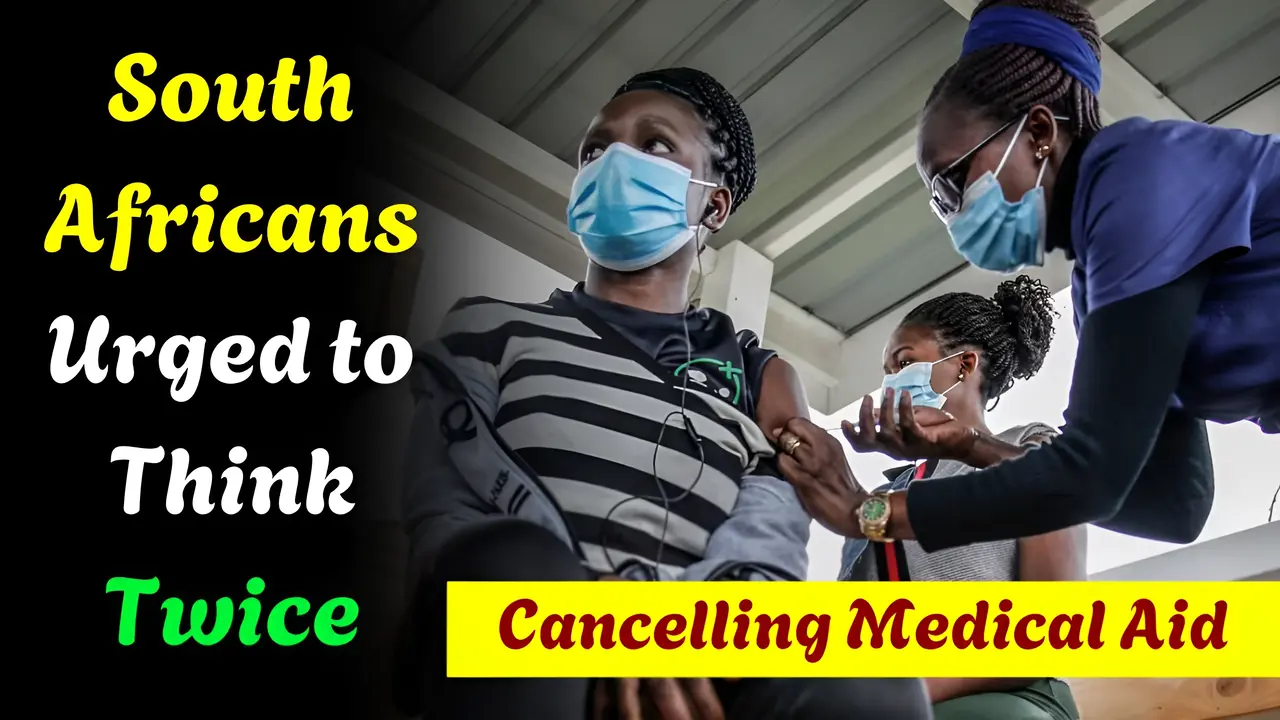

  • South Africans Urged to Think Twice Before Cancelling Medical Aid

    South Africans Urged to Think Twice Before Cancelling Medical Aid

    South Africa’s National Health Insurance (NHI) initiative, designed to provide universal healthcare to all citizens, was signed into law by the African National Congress (ANC) in May 2024. Despite its ambitious goals, the NHI faces significant challenges, including its projected cost of R1 trillion and the current state of public healthcare facilities. Experts believe the NHI will take years to be fully operational, making it crucial for individuals to carefully evaluate their healthcare options before considering the cancellation of private medical aid.

    Health Minister Aaron Motsoaledi, in a 2024 report, highlighted that only 39.65% of the country’s 3,092 public healthcare facilities meet the required standards. This indicates that South Africa’s healthcare system is not yet prepared to implement the NHI effectively. Additionally, the initiative is surrounded by ongoing legal challenges and uncertainties regarding its funding, leaving its future in question.

    Challenges in Implementing the NHI

    One of the major hurdles facing the NHI is its estimated cost of over R1 trillion, raising concerns about whether the government can afford to fund the program without increasing taxes or cutting from other essential services. These financial constraints pose a serious challenge to the successful rollout of the NHI.

    In addition to financial issues, the state of South Africa’s healthcare infrastructure is a significant concern. According to inspections, only 39.65% of public healthcare facilities meet the necessary standards, with the majority of them falling short. This illustrates the urgent need for investment and upgrades in the public healthcare system before it can handle the demands of universal healthcare under the NHI.

    Challenges in Public Healthcare Delivery

    South Africa’s public healthcare system is struggling to provide consistent, quality care to its citizens. Many hospitals and clinics suffer from outdated infrastructure, insufficient resources, and long wait times, which compromise the quality of care. These shortcomings highlight the need for substantial improvements in public healthcare to ensure it can support the additional demands of the NHI program.

    Given the gap between public and private healthcare, it is clear that unless significant investments are made to improve public healthcare facilities, the NHI may face severe difficulties in achieving its goal of universal coverage.

    Legal and Political Barriers

    The NHI’s implementation is also hindered by legal and political obstacles. Various organizations, including Solidarity and the Board of Healthcare Funders, have raised concerns about the feasibility of the NHI and its funding structure. Disagreements about how the NHI will be managed and financed have created significant uncertainty. Until these issues are resolved, it will be challenging to move forward with the program and establish a functional universal healthcare system.

    Importance of Maintaining Private Medical Aid

    Kevin Aron, the principal officer of Medshield, emphasizes the importance of maintaining private medical aid in the current climate. Given the NHI’s delayed timeline and the ongoing challenges faced by public healthcare, cancelling private medical aid prematurely could leave individuals vulnerable to both health and financial risks.

    The public healthcare system is far from ready to meet the demands of universal healthcare, making private medical aid a necessary safety net for those who seek timely and reliable medical care.

    Financial Risks of Relying on Public Healthcare Alone

    Private medical aid provides better quality healthcare services compared to public facilities, which continue to struggle with inadequate resources and overcrowding. For individuals, particularly those in middle- and high-income groups, relying solely on the public healthcare system could result in high out-of-pocket expenses for medical care that the public sector cannot effectively provide.

    Challenges of Overburdening Public Healthcare

    If more people choose to rely solely on the public healthcare system, this could exacerbate existing issues such as overcrowding and reduced service quality. Since the NHI is not fully operational and public healthcare remains under-resourced, depending only on the public system is not a viable long-term solution.

    Comparison of Public and Private Healthcare

    AspectPublic HealthcarePrivate Healthcare
    CostGenerally low or freeHigh premiums and out-of-pocket costs
    Quality of ServiceOften inconsistent and substandardHigh-quality, timely, and personalized
    Facility Readiness39.65% compliance with standardsFully equipped and operational
    Wait TimesOften lengthyMinimal to none
    AccessibilityWidespread but under-resourcedLimited to those who can afford it

    Proposed Solutions and Collaborative Approaches

    A collaborative approach between South Africa’s public and private healthcare sectors could offer a promising solution to the country’s healthcare challenges. The private sector’s expertise and resources could help address gaps in the public system, particularly in reducing long waiting times and improving facility readiness.

    For instance, private healthcare providers could offer unused facilities and resources to public hospitals to increase capacity and ensure that more people have access to timely medical care. By combining the strengths of both sectors, South Africa could create a more effective healthcare system that ensures equitable access for all citizens.

    Government’s Commitment to Healthcare Improvement

    The South African government has pledged to collaborate with various stakeholders to improve healthcare services across the country. This includes inviting businesses and organizations to contribute ideas on how to make healthcare more affordable and of better quality. While this commitment is a positive step, the true challenge lies in translating these promises into tangible actions that deliver meaningful improvements.

    To ensure the success of these efforts, the government must develop clear, actionable plans and follow through on their implementation. With the right strategies in place, South Africa has the potential to build a healthcare system that serves all its citizens effectively and sustainably.

  • South Africa Public Servants Salary 2024, How It Compares to the Private Sector

    South Africa Public Servants Salary 2024, How It Compares to the Private Sector

    In 2024, the salaries of South African public servants sparked significant debate regarding wage inequalities and the financial sustainability of the government. According to data from the National Treasury, the average monthly earnings of public servants were R41,000, which is 34% higher than the national average salary of R27,000. This disparity has raised concerns about the fairness of the public-sector pay scale and its implications on the broader economy.

    Public servants in South Africa now rank among the top 10% of income earners, positioning government jobs as financially attractive. Meanwhile, private-sector employees, who represent a large portion of the workforce, earn considerably less, thus deepening the gap between the two sectors. Contributing to this disparity are the comprehensive benefits packages and regular wage increases enjoyed by public servants.

    Public vs. Private Sector Earnings: A Stark Contrast

    The wage difference between the public and private sectors in South Africa remains a contentious issue. As of 2024, the average monthly salary for public servants is R41,000, compared to the R27,000 earned by private-sector employees. This 34% premium has sparked discussions about whether government jobs are unfairly lucrative, especially given the significant gap between the two sectors.

    SectorAverage Monthly Salary (R)Percentage Difference
    Public Sector41,000+34%
    Private Sector27,000–
    National Average27,000–

    This wage premium has led to concerns about the rising public-sector wage bill, which now consumes a significant portion of government expenditure. Public-sector employees’ salaries contribute to their status as one of the highest-earning groups in the country.

    Why Are Public Servants Paid More?

    The higher salaries for public servants are the result of various deliberate government policies aimed at addressing specific challenges. These challenges include the retention of skilled professionals in critical areas and ensuring competitiveness within the job market.

    Retention of Skilled Professionals

    South Africa has historically struggled to retain skilled professionals in vital sectors such as healthcare, education, law enforcement, and public administration. To attract and retain top talent, the government offers higher salaries along with attractive benefits packages.

    Comprehensive Benefits

    In addition to competitive salaries, public servants receive a range of benefits that increase their overall compensation. These benefits include:

    • Pension Contributions: Government-backed pension schemes that offer financial security after retirement.
    • Medical Aid Subsidies: Heavily subsidized healthcare plans for public servants.
    • Housing and Vehicle Allowances: Financial support for housing and transportation needs.
    • Bonuses and Allowances: Additional incentives, including performance bonuses and travel allowances.

    Historical Wage Increases

    Over the years, consistent wage adjustments have contributed to the growing salary gap between public and private-sector employees. These adjustments were intended to maintain the competitiveness of government jobs, thereby strengthening the appeal of public sector employment.

    The Impact of the Public-Sector Wage Bill

    The growing wages in the public sector have come at a significant cost to the government. In 2024, the public-sector wage bill accounted for 32% of the total government expenditure, taking up a substantial portion of the national budget. While the wages have been instrumental in attracting talent, they have also created financial challenges for the government.

    Strain on Government Resources

    The high wage bill has limited the government’s ability to allocate sufficient resources to other crucial sectors, including:

    • Infrastructure Development: Many infrastructure projects have been delayed or inadequately funded due to limited resources.
    • Healthcare: There is a persistent need for improved facilities and better access to quality healthcare services.
    • Education: Underfunded schools face challenges such as overcrowded classrooms and a lack of essential teaching resources.

    The large wage bill has also hindered efforts to improve overall service delivery and foster economic growth.

    Government’s Long-Term Strategy to Manage the Wage Bill

    Policymakers have set ambitious goals to reduce the public-sector wage bill from 32% to 31% of government expenditure by 2028. This gradual reduction is part of a broader fiscal consolidation strategy, aiming to ensure that salaries remain competitive while maintaining fiscal sustainability.

    Breakdown of Public-Sector Salaries

    Salaries for public servants vary widely depending on their roles. Below is a summary of the average monthly earnings for different levels of public-sector employees:

    • Senior Managers: R95,000
    • Middle Management: R60,000
    • Entry-Level Professionals: R35,000

    These figures reveal the potential for significant earnings in the public sector, particularly at senior levels, where salaries often surpass those in the private sector.

    Workforce Optimization Strategy: Reducing Costs While Maintaining Efficiency

    To manage the growing wage bill, the government has introduced a workforce optimization strategy, which will take effect in 2025. This strategy includes several key measures to reduce costs without sacrificing operational efficiency:

    Early Retirement Programs

    The government plans to encourage eligible public servants to retire early, thereby reducing payroll costs while creating space for younger, less costly employees to enter the workforce.

    Focus on Skill Retention and Recruitment

    The government aims to retain critical skills in the public sector, particularly in areas with shortages, while also recruiting younger, lower-cost employees to fill vacancies.

    Performance-Based Reviews

    To align salaries with productivity, the government plans to implement performance-based reviews, ensuring that employees’ compensation reflects their work performance and contributions.

    Minister’s Statement on Fiscal Responsibility

    Finance Minister Enoch Godongwana emphasized that reducing employment costs is essential to redirect resources to critical sectors like healthcare and education. He stated that the workforce optimization strategy is a vital step toward achieving a balanced and sustainable fiscal policy.

    Public Sector and Service Delivery: Are Higher Salaries Delivering Results?

    Despite the financial advantages afforded to public servants, concerns persist regarding the quality of public service delivery. Citizens and watchdog organizations have raised issues about inefficiencies in key sectors such as education, healthcare, and infrastructure management.

    • Healthcare: Despite higher wages for healthcare workers, challenges like long waiting times and understaffed hospitals continue.
    • Education: Schools are grappling with overcrowding and inadequate resources.
    • Infrastructure: Delays and substandard project completion remain persistent issues.

    Policymakers must address these challenges to ensure that the higher wages in the public sector are justified by better outcomes in public service delivery.

  • Singapore Government Rolls Out $6,000 Support for Unemployed Citizens

    Singapore Government Rolls Out $6,000 Support for Unemployed Citizens

    The Singaporean government has introduced the SkillsFuture Jobseeker Support (JS) scheme to assist approximately 60,000 individuals actively seeking employment. Under this initiative, eligible jobseekers will receive financial aid of up to SGD 6,000 over six months. The support begins with an initial payout of SGD 1,500 in the first month, followed by gradually decreasing monthly payments to encourage timely re-employment. The scheme is set to start in April 2025 and is being implemented by Workforce Singapore (WSG).

    Prime Minister Lawrence Wong, during the National Day Rally on August 18, 2024, emphasized the importance of both support and personal accountability. He stated, “We will have your back, but you too must take responsibility for your actions and make an effort to pull yourself up.”

    The scheme has been shaped by public feedback and recommendations from various stakeholders, including the Joint PME Taskforce, led by NTUC and SNEF.

    Who Is Eligible for the SGD 6,000 Support?

    The SkillsFuture Jobseeker Support scheme is specifically designed to support lower and middle-income individuals who face challenges in securing employment. The key eligibility requirements are:

    • Income Threshold: Applicants must have earned an average monthly income of SGD 5,000 or less.
    • Employment History: Jobseekers must have been employed for at least six months within the past year.
    • Active Participation: Applicants are required to engage in job searches, attend career coaching sessions, or enroll in eligible training programs.

    This well-structured eligibility framework ensures that the scheme targets those who are most in need of support, providing both immediate financial assistance and incentives for active job-seeking and skill development.

    Payout Details and Conditions

    The monthly payouts under the JS scheme are based on the individual’s average pre-unemployment income. Once a beneficiary secures new employment, the payouts will cease. This condition is designed to encourage jobseekers to focus on reemployment, with the understanding that the support will end as soon as they are reemployed.

    Furthermore, individuals are not eligible for benefits again for three years following the receipt of their last payout. This stipulation aims to prevent long-term dependence on government support.

    Here’s how the monthly payouts are structured:

    • Month 1: SGD 1,500 (Cumulative: SGD 1,500)
    • Month 2: SGD 1,200 (Cumulative: SGD 2,700)
    • Month 3: SGD 1,000 (Cumulative: SGD 3,700)
    • Month 4: SGD 800 (Cumulative: SGD 4,500)
    • Month 5: SGD 750 (Cumulative: SGD 5,250)
    • Month 6: SGD 750 (Cumulative: SGD 6,000)

    Potential Benefits of the SkillsFuture Jobseeker Support Scheme

    The SkillsFuture Jobseeker Support scheme offers several key advantages, aimed at both supporting displaced workers and fostering long-term economic stability. Below are some of the notable benefits:

    Short-Term Financial Relief and Long-Term Stability

    The scheme helps ease immediate financial pressures for jobseekers, offering stability while they search for new employment. By providing a financial cushion, the initiative allows individuals to focus on re-skilling and preparing for future employment opportunities.

    Encouraging Lifelong Learning

    By emphasizing upskilling, the scheme promotes a culture of continuous learning. This not only helps individuals adapt to new technologies and market trends but also enhances their ability to stay competitive in the evolving job market.

    Addressing Skill Gaps and Reducing Long-Term Unemployment

    The program helps reduce the risk of long-term unemployment by encouraging skill development, which is vital for closing skill gaps in the workforce. Additionally, it aids workers impacted by global changes such as automation and globalization.

    Steps to Optimize the Scheme

    While the SkillsFuture Jobseeker Support scheme offers promising benefits, there are a few areas that could be optimized for better effectiveness:

    1. Increasing the Support Amount: The monthly support amount could be adjusted to better reflect the rising cost of living, helping beneficiaries focus on training without financial stress.
    2. Extending the Support Duration: Allowing for flexible timelines depending on individual needs and job market conditions could improve the scheme’s impact.
    3. Customized Training Programs: The government could work with industry leaders to create sector-specific training programs, ensuring that the training offered aligns with job market demands.
    4. Support for Families: Introducing allowances for dependents, with amounts that increase based on the number of dependents, could provide additional relief for families during periods of unemployment.

    Benefits of These Improvements

    These changes would provide more financial support to jobseekers, helping them succeed in their job search and training efforts. By addressing both financial and professional development needs, the scheme can empower individuals to transition smoothly into new roles.

    Challenges Facing the Scheme

    While the SkillsFuture Jobseeker Support scheme has clear goals, there are a few challenges that need to be addressed for better implementation and sustainability:

    Improving Payout Timeliness and Monitoring

    Timely payouts and effective monitoring are crucial to the success of the program. Ensuring that the support reaches individuals without delay will help maintain its effectiveness.

    Expanding Eligibility Criteria

    Expanding eligibility to include workers in non-traditional and gig economy jobs could make the scheme more inclusive and reflective of current employment trends.

    Balancing Financial Support with Sustainability

    The scheme must be carefully managed to ensure that it remains financially sustainable in the long term. Balancing adequate support with budget management is critical to its success.

    Leveraging Technology for Efficiency

    Using technology to simplify the application process and monitor compliance could streamline operations, making the scheme more efficient. Regular reviews based on feedback will help the scheme evolve with changing economic conditions.

    Conclusion

    The SkillsFuture Jobseeker Support scheme offers vital financial assistance to unemployed Singaporeans, with an emphasis on skill development and reemployment. By supporting individuals during their job search while encouraging lifelong learning, the initiative aims to reduce unemployment and strengthen the workforce. As the program evolves, improvements like increasing support amounts, offering flexible timelines, and expanding eligibility could enhance its impact, making it a powerful tool for workforce development in Singapore.

  • ₱1,000 Monthly Pension for Seniors, Who Qualifies

    ₱1,000 Monthly Pension for Seniors, Who Qualifies

    On October 7, during Elderly Filipino Week, a post circulated on Facebook claiming that all senior citizens in the Philippines are entitled to a ₱1,000 monthly pension, regardless of their existing pensions from the Government Service Insurance System (GSIS) or the Social Security System (SSS). The post also suggested that this amount, totaling ₱3,000 every three months, would be provided by the National Commission of Senior Citizens (NCSC). However, this claim has caused confusion among seniors and their families.

    The reality is that the ₱1,000 pension is specifically available to indigent senior citizens who meet certain criteria established by the Department of Social Welfare and Development (DSWD). It is vital for seniors and their families to verify such claims through official government channels to prevent misunderstandings and ensure the right individuals receive the assistance.

    What is the Social Pension for Indigent Senior Citizens (SPISC) Program?

    The SPISC Program aims to improve the well-being of indigent senior citizens by providing them with a monthly allowance to help cover essential needs like food and medical expenses. This initiative seeks to reduce hunger, lessen vulnerability, and protect elderly citizens from neglect and abuse.

    The program was formalized through Republic Act No. 11916, which was enacted in July 2022. This law increased the monthly stipend for senior citizens from ₱500 to ₱1,000, acknowledging the growing financial needs of the elderly population.

    Who is Eligible for the ₱1,000 Monthly Pension?

    To qualify for the ₱1,000 monthly pension under the SPISC Program, senior citizens must meet the following eligibility requirements:

    • Age: Applicants must be at least 60 years old.
    • Health Condition: They should be frail, sickly, or experiencing a significant health issue.
    • No Other Pension: Seniors should not receive other pensions, such as those from GSIS, SSS, the Philippine Veterans Affairs Office (PVAO), or private insurance companies.
    • No Regular Income: They must not have a steady income or support from family members or relatives to meet their basic needs.

    These criteria are in place to ensure the pension reaches the elderly most in need of financial aid. Eligible seniors will receive a ₱1,000 monthly stipend, which may be distributed monthly, bi-monthly, or quarterly, depending on the local government’s distribution schedule.

    Social Pension vs. Universal Pension Bill

    It is important to distinguish between the existing Social Pension program and the proposed Universal Social Pension Bill, which is still being debated in the legislature.

    ProgramPension AmountEligibilityStatus
    Social Pension (SocPen)₱1,000 per monthIndigent senior citizens onlyActive
    House Bill No. 10423 (Universal Pension)₱500 per month (plan to increase to ₱1,000)All senior citizens (60+ years old)Passed in the House, pending in the Senate
    • Social Pension (SocPen): This program is currently active and provides ₱1,000 per month to eligible indigent senior citizens.
    • House Bill No. 10423 (Universal Pension): The bill proposes a ₱500 monthly pension for all senior citizens aged 60 and above, with plans to increase it to ₱1,000 over the next five years. The bill has passed the House of Representatives but is still under review in the Senate.

    How to Apply for the Social Pension?

    Eligible senior citizens must follow a series of steps to apply for the ₱1,000 monthly pension. Here’s a guide to the application process:

    1. Verification

    Ensure the senior citizen meets the required eligibility criteria, including frailty, disability, lack of income, and other conditions.

    2. Visit the OSCA

    The Office of the Senior Citizens Affairs (OSCA) is the first point of contact for seniors. They provide detailed information on the application process and required documents.

    3. Document Submission

    After gathering all necessary information from the OSCA, seniors must submit the following documents:

    • Proof of age (e.g., birth certificate)
    • Barangay certification
    • Medical records (if applicable)

    4. Evaluation

    Once the documents are submitted, the Department of Social Welfare and Development (DSWD) will assess the application. If the senior citizen meets the criteria, they will be notified of their approval and the pension amount.

  • 2024 Aussie Energy Bill Rebate, Get $1300 and See If You’re Eligible

    2024 Aussie Energy Bill Rebate, Get $1300 and See If You’re Eligible

    The Australian Government has announced the extension and expansion of the Energy Bill Relief Fund for the 2024-25 fiscal year, with a substantial $3.5 billion investment aimed at providing electricity bill rebates. This is an extension of the $1.5 billion allocated in the previous year, reinforcing the government’s commitment to alleviating the financial burden on households and small businesses amidst the ongoing economic challenges.

    The Energy Bill Rebate program is designed to help reduce electricity costs by providing direct rebates automatically applied to electricity bills. The initiative covers all Australian households, along with eligible small businesses, ensuring broad access to financial relief. State and territory governments play an essential role in administering these rebates, ensuring smooth delivery via electricity retailers.

    Overview of Australia’s Energy Bill Rebate

    The Energy Bill Relief Fund is available to all Australian households, including those in external and non-self-governing territories. This wide-reaching eligibility ensures that every household across the nation benefits from the financial relief.

    • Automatic Rebate Application: For most households, a $300 annual rebate will be automatically applied to electricity bills in quarterly instalments of $75. The rebates are directly handled by electricity providers, making the process seamless for recipients.
    • Embedded Networks: Households in embedded networks, such as those in apartment buildings, caravan parks, or retirement villages, can also access the rebate. However, they need to apply for it through their state or territory government to ensure they receive the financial support they are entitled to.

    Small Business Eligibility

    Small businesses that qualify for the $325 annual rebate must meet specific criteria set by their state or territory government, primarily based on the business’s annual electricity consumption. Eligible small businesses will receive the rebate automatically in the same way as households.

    • Consumption Thresholds for Small Businesses: Each state and territory has defined specific electricity consumption thresholds for small businesses. These are as follows:
      • New South Wales (NSW): 100 MWh
      • Victoria (VIC): 40 MWh
      • Queensland (QLD): 100 MWh
      • South Australia (SA): 160 MWh
      • Tasmania (TAS): 150 MWh
      • Australian Capital Territory (ACT): 100 MWh
      • Northern Territory (NT): 160 MWh
      • Western Australia (WA): 50 MWh

    Businesses exceeding these thresholds will not qualify for the rebate.

    Rebate Amounts and Distribution

    The Energy Bill Rebate offers significant relief for households and small businesses. Rebates are distributed automatically in most cases, ensuring ease of access for eligible recipients.

    Household Rebates

    All Australian households are entitled to a $300 annual rebate, which is applied in four equal quarterly instalments of $75 directly to electricity bills.

    • State-Specific Additional Rebates: Some states provide extra rebates on top of the federal contribution:
      • Queensland: A $1,000 state rebate, bringing the total annual rebate to $1,300. The state rebate is paid upfront, while the federal rebate is distributed quarterly.
      • Western Australia: A $400 state rebate, increasing the total annual rebate to $700. This rebate is paid in two instalments during the July-August and December-January billing cycles.

    Small Business Rebates

    Eligible small businesses receive a $325 annual rebate, distributed in quarterly instalments, directly applied to their electricity bills.

    Energy Bill Rebate Claim and Distribution Process

    For most households and small businesses, the rebates are applied automatically by electricity providers, ensuring that eligible recipients receive their rebates without needing to take any additional action. However, some households and small businesses with more complex electricity arrangements must take additional steps.

    • Embedded Networks: Households and small businesses in embedded networks must apply for the rebate through their respective state or territory government to ensure they receive the financial support.
    • Western Australia: Households in Western Australia without accounts with Synergy or Horizon Power must apply for the rebate via RevenueWA starting in July. This extra step ensures all eligible households, regardless of their electricity provider, receive the rebate.

    Conclusion

    The Australian Government’s expanded Energy Bill Relief Fund for 2024-25 provides substantial financial relief to households and small businesses across the country. By offering direct rebates and ensuring broad access to the initiative, the government aims to ease the financial burden of electricity costs for Australians, particularly those facing economic challenges. With seamless application processes and additional state-level support, the initiative ensures that no one is left behind in accessing this crucial assistance.

  • DWP Cost of Living Payments Return in 2025 with Updated Eligibility Rules

    DWP Cost of Living Payments Return in 2025 with Updated Eligibility Rules

    In 2025, the Department for Work and Pensions (DWP) will continue offering cost-of-living payments to individuals facing financial hardship due to rising living expenses. These payments are designed to help alleviate the burden caused by increased household costs, including energy, food, and rent. The program is aimed at providing targeted support to the most vulnerable families, ensuring they can maintain a basic standard of living during difficult economic times.

    What Are Cost-of-Living Payments For?

    The cost-of-living payments are a government initiative intended to support individuals who are struggling with rising household costs. This initiative is particularly important as the cost of energy, food, and rent continues to increase. By offering financial assistance to those most in need, these payments help families manage their essential living expenses, ensuring they can maintain a minimum standard of living in challenging economic conditions.

    Payment Schedule for 2025

    In 2025, the DWP will distribute cost-of-living payments in installments, rather than as a lump sum. This change ensures that recipients will receive steady, ongoing support throughout the year, enabling families to manage their finances more effectively. The staggered payment system is designed to provide continuous assistance, helping individuals and families plan for their financial needs over time.

    New Qualification Requirements for Payments

    A key change for 2025 is the introduction of new eligibility criteria. While the cost-of-living payments will still be available to those on means-tested benefits, the DWP will introduce additional forms of scrutiny to ensure the funds reach the most needy. Qualifying benefits for the payments include Universal Credit, Pension Credit, and Income Support. To receive the payments, recipients must maintain eligibility for a specific assessment period, ensuring that support is targeted at those in greatest need.

    Applications and Automatic Payments

    For most recipients, the cost-of-living payments will be disbursed automatically, without the need for an application. However, it is crucial that individuals receiving benefits keep their personal details, including the benefits they claim, up to date. This ensures that there are no delays or interruptions in their payments. The DWP advises all benefit recipients to regularly review their information to ensure they continue to meet the eligibility requirements.

    Impact of Newly Introduced Conditions

    The new eligibility conditions aim to prevent misuse of the cost-of-living payments and ensure that the support reaches those who need it most. However, some advocates have expressed concern that the new criteria may exclude individuals who would have otherwise qualified for assistance. The government has promised that there will be a regular process for appeals and reviews for those who believe they have been wrongly excluded from receiving payments.

    Conclusion

    The DWP’s continued commitment to cost-of-living payments in 2025 reflects the ongoing effort to support UK households facing financial difficulties. By introducing new eligibility criteria, the program aims to ensure that payments are more targeted, reaching those who are truly in need. It is essential for potential recipients to stay informed about the updated rules to ensure they receive the assistance they are entitled to.

  • Singapore Pension Reforms 2025, New Policies and Benefits

    Singapore Pension Reforms 2025, New Policies and Benefits

    Singapore has introduced important reforms to its Central Provident Fund (CPF) system for the 2025 fiscal year, addressing challenges such as rising living costs and longer life expectancies. Unlike pension systems funded by taxes, the CPF operates as a compulsory savings plan, and it has been central to ensuring financial independence for retirees since its inception in 1955.

    This system relies on contributions from both employers and employees, funding not just retirement but also crucial needs like healthcare, housing, and education. The contribution rates differ by age, enabling younger workers to save more and benefit from compounding interest. At retirement age, CPF provides a steady income stream, helping retirees manage their living costs effectively.

    Key Changes in CPF for 2025

    A significant change in the 2025 CPF reform is the increase in the retirement age from 63 to 65. This adjustment aligns with global trends, where people are working longer due to improved life expectancy. Extending the retirement age allows individuals more time to save, contributing to stronger financial preparation for retirement. It also addresses challenges posed by an ageing population and helps ensure that individuals can remain active in the workforce while building more substantial savings for their retirement years.

    Increased CPF Sums

    To accommodate rising living costs, the CPF retirement sums will be increased in 2025. These adjustments to the Basic, Full, and Enhanced Retirement Sums aim to provide retirees with sufficient savings to cover essential needs like healthcare, housing, and daily expenses. The increases reflect the government’s proactive efforts to help retirees maintain their purchasing power and live independently during their retirement.

    Retirement Sum2024 (SGD)2025 (SGD)
    Basic Retirement Sum (BRS)96,000105,000
    Full Retirement Sum (FRS)192,000210,000
    Enhanced Retirement Sum (ERS)288,000315,000

    Higher CPF LIFE Payouts

    The CPF LIFE scheme, which provides retirees with monthly payouts, will offer higher payouts starting in 2025. These increased payouts ensure that retirees have a reliable income to meet both essential and additional expenses. The new payouts are as follows:

    Retirement Sum2024 Payout (SGD)2025 Payout (SGD)
    Basic (BRS)800–900900–1,000
    Full (FRS)1,500–1,7001,800–2,000
    Enhanced (ERS)2,200–2,4002,600–2,800

    Changes for Self-Employed Workers

    The 2025 CPF reforms will also include provisions for self-employed individuals, including gig workers, freelancers, and small business owners. For the first time, they will become part of the CPF system, which provides them with better financial security during retirement. The key updates for self-employed individuals include:

    • Monthly Payouts: Depending on their contributions, self-employed individuals will receive monthly payouts ranging from SGD 200 to SGD 400.
    • Voluntary Contributions: Self-employed individuals will also be encouraged to make voluntary contributions to their Ordinary, Special, and MediSave Accounts, building stronger retirement savings.

    How CPF Withdrawal Policies Protect Retirees

    The CPF system has strict withdrawal rules in place to ensure that retirees can maintain financial stability throughout their lives. These measures are designed to prevent premature depletion of savings and maximize long-term security.

    Monthly Payouts Starting at Age 65

    Retirees will begin receiving monthly payouts from their Retirement Accounts (RA) starting at age 65. This ensures a steady income stream to cover daily living costs and provides peace of mind for retirees as they move into their golden years.

    No Full Lump Sum Withdrawals

    To protect retirees from spending their savings too quickly, CPF restricts full lump sum withdrawals. The system encourages gradual disbursements, ensuring that retirees can manage their finances over the long term.

    Continuous Growth Through Interest Rates

    CPF accounts earn an annual interest rate ranging from 2.5% to 4%. This growth helps ensure that retirees’ savings keep up with inflation and other rising costs, providing greater financial security during their retirement years.

    Tax-Free Monthly Payouts

    Retirees receive their monthly payouts tax-free, allowing them to retain the full amount of their disbursements. This tax exemption is particularly beneficial for those who rely solely on their CPF savings, providing an additional layer of financial relief.

    Maximizing Your CPF Contributions

    Maximizing your CPF contributions is one of the best ways to secure a strong financial foundation for retirement. Here are some tips to help you make the most of your CPF savings:

    Maximize Voluntary Contributions

    Consider making voluntary top-ups to your Special Account (SA) and MediSave Account (MA). These accounts earn higher interest rates, allowing your savings to grow faster over time. Voluntary contributions are an excellent way to supplement your mandatory CPF savings.

    Choose the Right CPF LIFE Plan

    CPF LIFE offers three plans: Standard, Escalating, and Basic. Each plan has its own features and benefits. Take the time to compare these options and choose the one that best aligns with your financial goals, needs, and desired retirement lifestyle.

    Start Early

    The earlier you begin contributing to your CPF accounts, the better. Early contributions benefit from compounding interest, allowing your savings to grow exponentially. Even small, regular contributions can add up to substantial savings over time.

    Stay Updated and Informed

    Stay informed about changes to CPF policies and new initiatives that could benefit you. Attend CPF-organized workshops, read official resources, and use online tools to make informed decisions about your retirement planning.

    Conclusion

    The 2025 CPF reforms are a significant step towards ensuring that Singaporeans can achieve financial security in retirement. With higher CPF sums, better payouts, and greater inclusivity for self-employed individuals, these changes aim to address the evolving needs of the population. By understanding the new CPF rules and maximizing contributions, Singaporeans can better prepare for a financially secure future.

  • UK Entry Changes 2025, Everything You Need to Know About the New ETA System

    UK Entry Changes 2025, Everything You Need to Know About the New ETA System

    Starting in 2025, the United Kingdom will require travelers from visa-free countries to obtain Electronic Travel Authorizations (ETAs) before entering the country. This move aims to enhance national security and streamline the entry process for eligible travelers. Below are all the key details about the upcoming UK ETA system.

    What is the UK ETA?

    The Electronic Travel Authorization (ETA) is a new online entry system that will be mandatory for travelers from visa-exempt countries. Similar to systems in place in the US (ESTA) and Canada (eTA), the UK ETA will ensure that travelers meet the necessary criteria for entry before reaching UK borders. This system helps avoid delays and enhances security by verifying travelers’ admissibility in advance.

    Who Needs the UK ETA?

    The UK ETA will apply to individuals from countries such as those in the European Union (EU), European Economic Area (EEA), and other nations with special agreements with the UK. It will also affect citizens from countries that previously did not require a visa to enter the UK.

    Application Process and Costs

    Applying for the UK ETA will be a simple online procedure. Applicants will need to provide basic personal details, travel information, and answer some security questions. A valid passport will also be required as part of the application.

    While the exact cost of the ETA has not been finalized, it is expected to be a low fee. Most ETAs will be valid for multiple entries over a period of up to two years.

    Processing Time for the ETA Application

    Travelers are advised to apply for the ETA a few days before their planned trip to the UK. The processing time for the application is typically between 48 to 72 hours. However, it is recommended to apply earlier, particularly during peak travel seasons, to avoid any potential delays.

    Main Benefits of the ETA System

    Though it introduces an additional step for travelers, the UK ETA system offers several benefits. It simplifies the entry process at airports and ports, strengthens border security, and reduces the likelihood of inadmissible travelers arriving at the UK borders.

    Exemptions to the ETA Requirement

    Certain individuals will be exempt from the UK ETA requirement. UK and Irish citizens will not need to apply, as both countries are part of the Common Travel Area (CTA). Additionally, diplomats and individuals with special entry permissions will also be excluded from the ETA requirement.

    Preparing for the 2025 ETA System

    The UK ETA system will be fully operational starting in 2025. Travelers planning trips to the UK after this date should familiarize themselves with the new requirements and prepare accordingly to ensure a smooth entry process. This change aligns with global trends in border management, balancing security with convenience for travelers.