Skip to content

Raj Haj Committees

  • Home
  • Categories
    • Auto
    • Astrology
    • Business
    • Education
    • Entertainment
    • Environment
    • India
    • Life & Style
    • Most Shared
    • NRI
    • Sports
    • Science
    • Tech
    • US
    • World
  • Trending Stories
  • Contact

artificial intelligence news

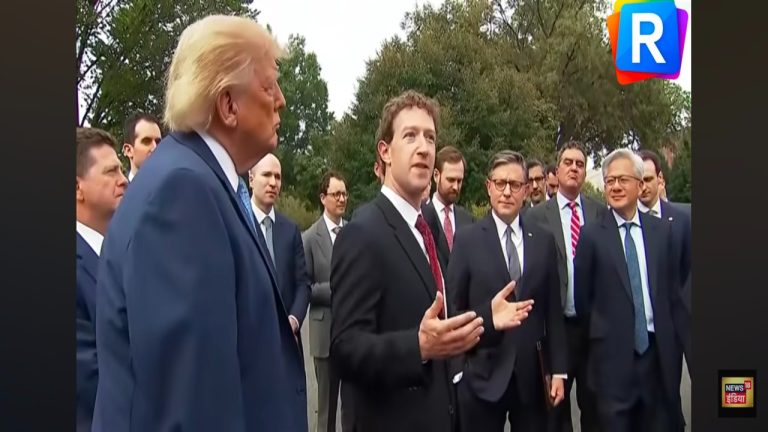
US Enters ‘Super Intelligence’ Era as Trump Administration Rebrands AI in Federal Government
September 30, 2026 by admin
Enters ‘Super Intelligence’ Era as Trump Administration Rebrands AI in Federal Government

Washington, September 30, 2026: The United States has introduced a major change in how its federal government refers to advanced …

Read more

Trending Video Stories

  • Students Raise Allegations Against Teacher Over Instagram IDs and Classroom Conduct
    Students Raise Allegations Against Teacher Over Instagram IDs and Classroom Conduct
  • Man Apologizes After Unwanted Video Interaction With Foreign Woman Draws Attention
    Man Apologizes After Unwanted Video Interaction With Foreign Woman Draws Attention
  • Women’s Safety and Freedom Remain a Major Concern in Contemporary India
    Women’s Safety and Freedom Remain a Major Concern in Contemporary India
  • US-Iran Tensions Rise as Strait of Hormuz Dispute Deepens WASHINGTON/TEHRAN: Tensions between the United States and Iran are intensifying as military signaling around the strategically important Strait of Hormuz continues alongside stalled diplomatic efforts. The confrontation has combined increasingly strong political rhetoric, military displays and competing demands over sanctions, maritime access and nuclear negotiations. Iran Signals Defiance Through Military Displays Iran has used prominent displays featuring missiles and drones alongside political messages directed at US leadership. Systems such as the Zolfaghar missile and Shahed drones have featured in imagery intended to demonstrate Iran's military capabilities and readiness. The displays come amid increasingly confrontational statements from Iranian officials, adding to concerns over the possibility of further escalation in the region. Strait of Hormuz Remains at the Center of the Dispute The Strait of Hormuz has become a central point of the confrontation because of its strategic importance to international energy transportation. Iran has reportedly warned against continued foreign military activity near the waterway, while the United States has maintained its position regarding maritime operations in the region. Any prolonged disruption around the strait could have consequences beyond the immediate US-Iran dispute, particularly for global energy markets and countries dependent on oil shipments passing through the region. Iran Proposes a Conditional Diplomatic Path Despite the military rhetoric, diplomatic channels have not completely closed. According to the information provided, Tehran has proposed a seven-day framework for restarting nuclear negotiations and reopening the strait. The proposal reportedly includes demands for an end to the US naval blockade, relief from oil-related sanctions and a ceasefire. Washington has rejected the conditions, indicating that it does not accept Tehran's terms for restarting negotiations. Diplomatic Contacts Continue Behind the public confrontation, diplomatic efforts are also continuing. Iran's foreign minister has engaged with United Nations officials as international actors seek avenues for negotiations and de-escalation. The continued diplomatic contacts suggest that, despite the sharp public rhetoric, negotiations remain part of the broader effort to prevent the confrontation from developing into a wider conflict. US Domestic Politics Add Another Dimension The dispute is also unfolding ahead of the 2026 US midterm elections, making foreign policy part of a broader domestic political environment. Control of Congress after the elections could affect the political debate surrounding US foreign policy, including the country's approach toward Iran. However, the eventual policy direction will depend on the election results, congressional dynamics and decisions by the administration. Global Economic and Security Concerns The prolonged confrontation has raised concerns about wider regional stability. The Strait of Hormuz is particularly significant because disruptions there could affect international oil supplies and energy prices. At the same time, continued military posturing increases the possibility of miscalculation between forces operating in a highly sensitive region. What Happens Next? The immediate situation remains dependent on whether Washington and Tehran can find common ground on the major issues separating them. The key areas to watch include the status of the Strait of Hormuz, US sanctions and maritime operations, Iran's nuclear negotiations, military activity in the region and international diplomatic efforts. For now, the combination of military pressure and conditional diplomacy continues to define the US-Iran confrontation, with the strategic waterway remaining at the center of the dispute.
    US-Iran Tensions Rise as Strait of Hormuz Dispute Deepens WASHINGTON/TEHRAN: Tensions between the United States and Iran are intensifying as military signaling around the strategically important Strait of Hormuz continues alongside stalled diplomatic efforts. The confrontation has combined increasingly strong political rhetoric, military displays and competing demands over sanctions, maritime access and nuclear negotiations. Iran Signals Defiance Through Military Displays Iran has used prominent displays featuring missiles and drones alongside political messages directed at US leadership. Systems such as the Zolfaghar missile and Shahed drones have featured in imagery intended to demonstrate Iran's military capabilities and readiness. The displays come amid increasingly confrontational statements from Iranian officials, adding to concerns over the possibility of further escalation in the region. Strait of Hormuz Remains at the Center of the Dispute The Strait of Hormuz has become a central point of the confrontation because of its strategic importance to international energy transportation. Iran has reportedly warned against continued foreign military activity near the waterway, while the United States has maintained its position regarding maritime operations in the region. Any prolonged disruption around the strait could have consequences beyond the immediate US-Iran dispute, particularly for global energy markets and countries dependent on oil shipments passing through the region. Iran Proposes a Conditional Diplomatic Path Despite the military rhetoric, diplomatic channels have not completely closed. According to the information provided, Tehran has proposed a seven-day framework for restarting nuclear negotiations and reopening the strait. The proposal reportedly includes demands for an end to the US naval blockade, relief from oil-related sanctions and a ceasefire. Washington has rejected the conditions, indicating that it does not accept Tehran's terms for restarting negotiations. Diplomatic Contacts Continue Behind the public confrontation, diplomatic efforts are also continuing. Iran's foreign minister has engaged with United Nations officials as international actors seek avenues for negotiations and de-escalation. The continued diplomatic contacts suggest that, despite the sharp public rhetoric, negotiations remain part of the broader effort to prevent the confrontation from developing into a wider conflict. US Domestic Politics Add Another Dimension The dispute is also unfolding ahead of the 2026 US midterm elections, making foreign policy part of a broader domestic political environment. Control of Congress after the elections could affect the political debate surrounding US foreign policy, including the country's approach toward Iran. However, the eventual policy direction will depend on the election results, congressional dynamics and decisions by the administration. Global Economic and Security Concerns The prolonged confrontation has raised concerns about wider regional stability. The Strait of Hormuz is particularly significant because disruptions there could affect international oil supplies and energy prices. At the same time, continued military posturing increases the possibility of miscalculation between forces operating in a highly sensitive region. What Happens Next? The immediate situation remains dependent on whether Washington and Tehran can find common ground on the major issues separating them. The key areas to watch include the status of the Strait of Hormuz, US sanctions and maritime operations, Iran's nuclear negotiations, military activity in the region and international diplomatic efforts. For now, the combination of military pressure and conditional diplomacy continues to define the US-Iran confrontation, with the strategic waterway remaining at the center of the dispute.
  • Major Changes From October 1, 2026: LPG Subsidy, Bank FDs, Pension and Civil Registration Rules
    Major Changes From October 1, 2026: LPG Subsidy, Bank FDs, Pension and Civil Registration Rules
  • Oplus_131072

Recent Posts

  • Enters ‘Super Intelligence’ Era as Trump Administration Rebrands AI in Federal GovernmentUS Enters ‘Super Intelligence’ Era as Trump Administration Rebrands AI in Federal Government
  • Students Raise Allegations Against Teacher Over Instagram IDs and Classroom ConductStudents Raise Allegations Against Teacher Over Instagram IDs and Classroom Conduct
  • Man Apologizes After Unwanted Video Interaction With Foreign Woman Draws AttentionMan Apologizes After Unwanted Video Interaction With Foreign Woman Draws Attention
  • Women’s Safety and Freedom Remain a Major Concern in Contemporary IndiaWomen’s Safety and Freedom Remain a Major Concern in Contemporary India
  • US-Iran Tensions Rise as Strait of Hormuz Dispute Deepens WASHINGTON/TEHRAN: Tensions between the United States and Iran are intensifying as military signaling around the strategically important Strait of Hormuz continues alongside stalled diplomatic efforts. The confrontation has combined increasingly strong political rhetoric, military displays and competing demands over sanctions, maritime access and nuclear negotiations. Iran Signals Defiance Through Military Displays Iran has used prominent displays featuring missiles and drones alongside political messages directed at US leadership. Systems such as the Zolfaghar missile and Shahed drones have featured in imagery intended to demonstrate Iran's military capabilities and readiness. The displays come amid increasingly confrontational statements from Iranian officials, adding to concerns over the possibility of further escalation in the region. Strait of Hormuz Remains at the Center of the Dispute The Strait of Hormuz has become a central point of the confrontation because of its strategic importance to international energy transportation. Iran has reportedly warned against continued foreign military activity near the waterway, while the United States has maintained its position regarding maritime operations in the region. Any prolonged disruption around the strait could have consequences beyond the immediate US-Iran dispute, particularly for global energy markets and countries dependent on oil shipments passing through the region. Iran Proposes a Conditional Diplomatic Path Despite the military rhetoric, diplomatic channels have not completely closed. According to the information provided, Tehran has proposed a seven-day framework for restarting nuclear negotiations and reopening the strait. The proposal reportedly includes demands for an end to the US naval blockade, relief from oil-related sanctions and a ceasefire. Washington has rejected the conditions, indicating that it does not accept Tehran's terms for restarting negotiations. Diplomatic Contacts Continue Behind the public confrontation, diplomatic efforts are also continuing. Iran's foreign minister has engaged with United Nations officials as international actors seek avenues for negotiations and de-escalation. The continued diplomatic contacts suggest that, despite the sharp public rhetoric, negotiations remain part of the broader effort to prevent the confrontation from developing into a wider conflict. US Domestic Politics Add Another Dimension The dispute is also unfolding ahead of the 2026 US midterm elections, making foreign policy part of a broader domestic political environment. Control of Congress after the elections could affect the political debate surrounding US foreign policy, including the country's approach toward Iran. However, the eventual policy direction will depend on the election results, congressional dynamics and decisions by the administration. Global Economic and Security Concerns The prolonged confrontation has raised concerns about wider regional stability. The Strait of Hormuz is particularly significant because disruptions there could affect international oil supplies and energy prices. At the same time, continued military posturing increases the possibility of miscalculation between forces operating in a highly sensitive region. What Happens Next? The immediate situation remains dependent on whether Washington and Tehran can find common ground on the major issues separating them. The key areas to watch include the status of the Strait of Hormuz, US sanctions and maritime operations, Iran's nuclear negotiations, military activity in the region and international diplomatic efforts. For now, the combination of military pressure and conditional diplomacy continues to define the US-Iran confrontation, with the strategic waterway remaining at the center of the dispute.US-Iran Tensions Rise as Strait of Hormuz Dispute Deepens

Categories

  • Astrology
  • Auto
  • blog
  • Business
  • Education
  • Entertainment
  • Environment
  • India
  • Life & Style
  • Most Shared
  • NRI
  • Science
  • Sports
  • Tech
  • Trending Stories
  • US
  • World

rajhajcommittees.in

Hello! rajhajcommittees.in is a professional platform where we provide interesting and valuable content focused on News. We are committed to delivering high-quality, reliable, and insightful information. Our goal is to turn our passion for News into a thriving online resource.

Thank you for visiting rajhajcommittees.in!

Trending

  • US Enters ‘Super Intelligence’ Era as Trump Administration Rebrands AI in Federal Government
  • Students Raise Allegations Against Teacher Over Instagram IDs and Classroom Conduct
  • Man Apologizes After Unwanted Video Interaction With Foreign Woman Draws Attention
  • Women’s Safety and Freedom Remain a Major Concern in Contemporary India
  • US-Iran Tensions Rise as Strait of Hormuz Dispute Deepens

Disclaimer

The information on rajhajcommittees.in is provided for general informational purposes only and may contain errors or omissions. We make no guarantees regarding accuracy, completeness, timeliness, or reliability. We are not responsible for any loss or damages resulting from use of this website or its information. External links are provided for convenience, and we are not responsible for their content. Views expressed are those of the respective authors. Use all information at your own risk and seek professional advice when necessary.

  • Privacy Policy
  • Terms
  • Contact
© 2026 rajhajcommittees.in