WASHINGTON/TEHRAN: Tensions between the United States and Iran are intensifying as military signaling around the strategically important Strait of Hormuz continues alongside stalled diplomatic efforts.
The confrontation has combined increasingly strong political rhetoric, military displays and competing demands over sanctions, maritime access and nuclear negotiations.
Iran Signals Defiance Through Military Displays
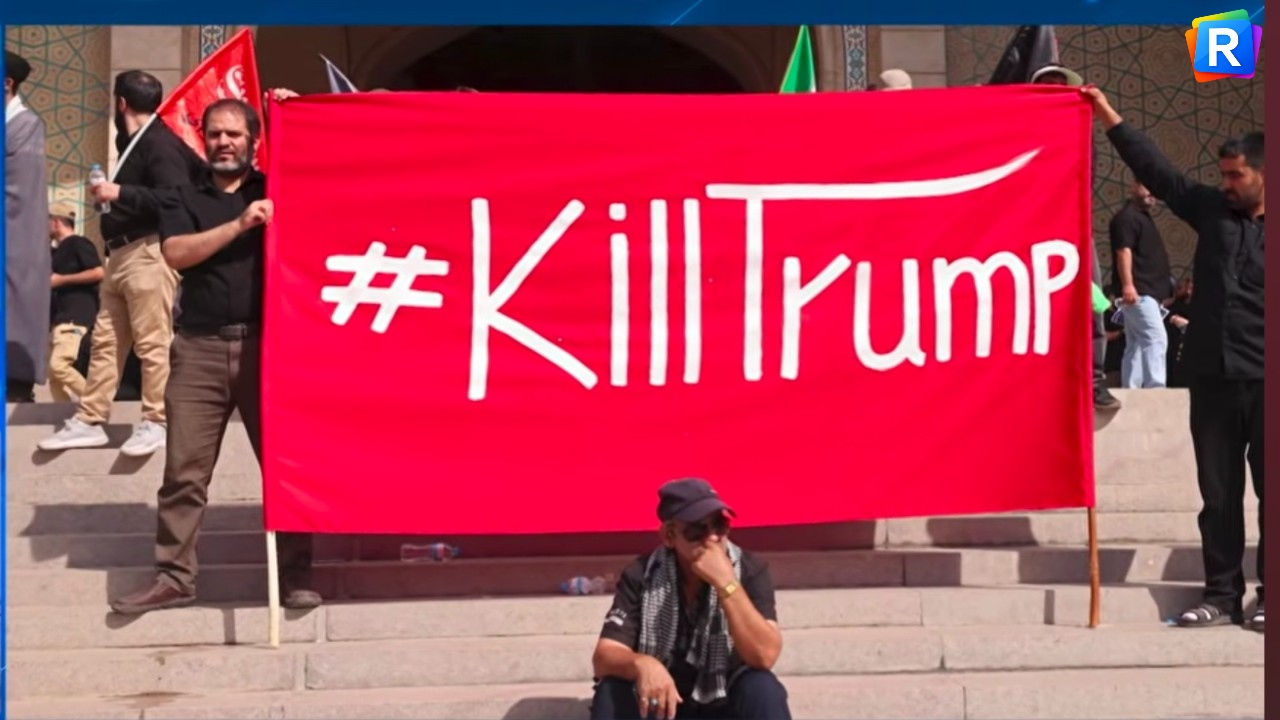
Iran has used prominent displays featuring missiles and drones alongside political messages directed at US leadership. Systems such as the Zolfaghar missile and Shahed drones have featured in imagery intended to demonstrate Iran’s military capabilities and readiness.
The displays come amid increasingly confrontational statements from Iranian officials, adding to concerns over the possibility of further escalation in the region.
Strait of Hormuz Remains at the Center of the Dispute
The Strait of Hormuz has become a central point of the confrontation because of its strategic importance to international energy transportation.
Iran has reportedly warned against continued foreign military activity near the waterway, while the United States has maintained its position regarding maritime operations in the region.
Any prolonged disruption around the strait could have consequences beyond the immediate US-Iran dispute, particularly for global energy markets and countries dependent on oil shipments passing through the region.
Iran Proposes a Conditional Diplomatic Path
Despite the military rhetoric, diplomatic channels have not completely closed.
According to the information provided, Tehran has proposed a seven-day framework for restarting nuclear negotiations and reopening the strait. The proposal reportedly includes demands for an end to the US naval blockade, relief from oil-related sanctions and a ceasefire.
Washington has rejected the conditions, indicating that it does not accept Tehran’s terms for restarting negotiations.
Diplomatic Contacts Continue
Behind the public confrontation, diplomatic efforts are also continuing.
Iran’s foreign minister has engaged with United Nations officials as international actors seek avenues for negotiations and de-escalation.
The continued diplomatic contacts suggest that, despite the sharp public rhetoric, negotiations remain part of the broader effort to prevent the confrontation from developing into a wider conflict.
US Domestic Politics Add Another Dimension
The dispute is also unfolding ahead of the 2026 US midterm elections, making foreign policy part of a broader domestic political environment.
Control of Congress after the elections could affect the political debate surrounding US foreign policy, including the country’s approach toward Iran. However, the eventual policy direction will depend on the election results, congressional dynamics and decisions by the administration.
Global Economic and Security Concerns
The prolonged confrontation has raised concerns about wider regional stability. The Strait of Hormuz is particularly significant because disruptions there could affect international oil supplies and energy prices.
At the same time, continued military posturing increases the possibility of miscalculation between forces operating in a highly sensitive region.
What Happens Next?
The immediate situation remains dependent on whether Washington and Tehran can find common ground on the major issues separating them.
The key areas to watch include the status of the Strait of Hormuz, US sanctions and maritime operations, Iran’s nuclear negotiations, military activity in the region and international diplomatic efforts.
For now, the combination of military pressure and conditional diplomacy continues to define the US-Iran confrontation, with the strategic waterway remaining at the center of the dispute.
